

Introduction
Why Sustainable Promotional Products Matter Today
The promotional products industry is changing.
In the past, many companies focused mainly on price, quantity, and delivery time. Today, global brands are paying more attention to sustainability, material transparency, and long-term product value.
Promotional products are no longer just giveaways. They are becoming a way for brands to communicate their environmental commitments and create meaningful connections with customers.
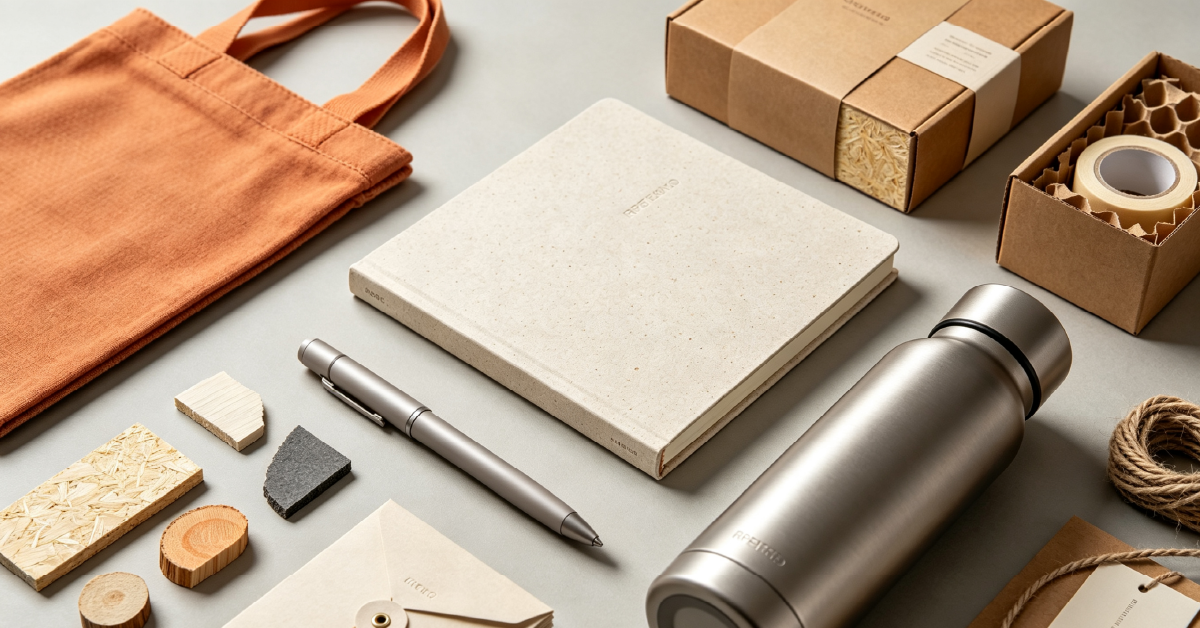
From recycled fabrics and plant-based materials to innovative alternatives such as stone paper and agricultural waste materials, sustainable product development is creating new opportunities for brands worldwide.
Choosing the right sustainable promotional products requires understanding not only the environmental benefits but also the material performance, application, and branding possibilities.

What Buyers Should Know?
01-Sustainability Starts With Material Selection
The material determines the environmental impact, product performance, and overall perception of a promotional item.
02-Eco-Friendly Does Not Mean Limited Design
Modern sustainable materials can support premium finishes, creative structures, and customized branding.
03-The Best Sustainable Products Balance Three Factors
Environmental Value + Practical Function + Brand Experience
1. What Makes a Promotional Product Sustainable?
A sustainable promotional product is not simply made from recycled materials.
A complete sustainable solution considers:
| Factor | Consideration |
| Material Source | Renewable, recycled, or responsible materials |
| Product Lifecycle | Durability and long-term usability |
| Manufacturing | Efficient production and reduced waste |
| Packaging | Responsible packaging solutions |
A product that is used repeatedly creates more sustainable value than a disposable item.
For example:
A reusable bottle used daily for years provides continuous brand exposure while reducing single-use consumption.
2. Sustainable Material Guide for Promotional Products
Different materials provide different advantages.
Choosing the right material depends on:
· Product category ·Target audience ·Brand positioning ·Required functionality
Popular Sustainable Materials
| Material | Applications | Key Advantages |
| RPET | Bags, notebooks, accessories,drinkware | Made from recycled plastic bottles, durable and versatile |
| Bamboo | Pens, drinkware accessories | Natural appearance |
| Stone Paper | Notebook cover | Waterproof,smooth writing experience |
| Sugarcane Paper,Milk carton paper | Stationery and packaging | Made from agricultural by-products |
| Coffee Residue | Gift items, accessories | Unique texture |
| Green Tea Residue | Stationery and lifestyle product | Innovative material storytelling |
3. How Sustainable Materials Create Product Value
Sustainable materials do more than reduce environmental impact.
They also create unique product stories.
Example: Material Storytelling
| Material | Brand Message |
| RPET | Turning waste into useful products |
| Bamboo | Natural and renewable lifestyle |
| Stone Paper,Milk carton paper | Innovative alternative material |
| Coffee Residue | Circular economy concept |
| Green Tea Residue | Connection between nature and design |
For promotional products, a strong material story can help brands create deeper connections with customers.
4. How to Choose the Right Eco-Friendly Material
Different projects require different solutions.
Before selecting materials, buyers should consider:
Product Purpose
Ask:
1-Is the product for daily use? 2-Is it for corporate gifting?
3-Is it for an environmental campaign? 4-Is it for an event giveaway?
Material Performance
Consider:
| Requirement | Recommended Consideration |
| Durability | RPET, recycled fabrics |
| Premium appearance | Bamboo, linen, specialty papers |
| Unique storytelling | Coffee residue, tea residue materials |
| Writing products | Stone paper, recycled paper,Milk carton paper |
Branding Requirements
Different materials support different customization methods:
· Embossing · Laser engraving · Printing · Embroidery · Custom packaging
5. Common Mistakes When Choosing Sustainable Promotional Products
Mistake 1: Focusing Only on the “Eco” Label
A sustainable product still needs:
Good functionality+Attractive design+Reliable quality
Environmental value alone is not enough.
Mistake 2: Choosing Materials Without Considering Application
Different materials have different characteristics.
For example:
A material suitable for notebook covers may not be suitable for drinkware accessories.
Professional material selection is essential.
Mistake 3: Ignoring Product Lifecycle
The most sustainable product is often the one that users continue using.
Durability and practicality should always be considered.
6. How OKASA Develops Sustainable Promotional Solutions
At OKASA, we believe sustainable products should combine environmental responsibility with practical design.
Our sustainable product development includes:
Innovative Material Applications
We explore materials including:
RPET | Bamboo | Stone Paper | Sugarcane Paper | Coffee residue material | Tea residue material | Recycled cotton | Washed kraft paper | Milkcarton paper | Corduroy
Design-Driven Development
Our team focuses on creating products that are:
Functional,Customizable,Visually distinctive, Suitable for global promotional markets
Examples include:
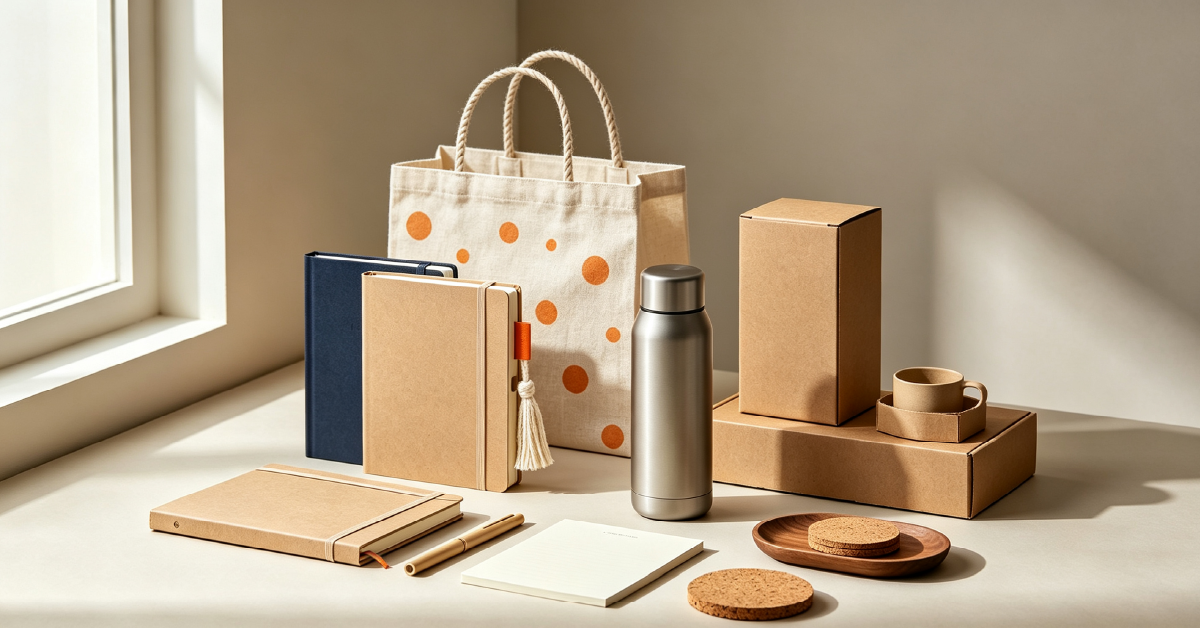
Sustainable notebook collections | Eco-friendly drinkware | Recycled fabric bags | Custom corporate gift sets
Complete Custom Solutions
From material selection to finished products, OKASA supports:
✓ Product design ✓ Material recommendation ✓ Custom branding ✓ Packaging solutions ✓ Production management
Frequently Asked Questions
Are sustainable promotional products more expensive?
Some sustainable materials may have higher material costs, but they often provide stronger brand value and customer engagement.
Which sustainable materials are best for promotional products?
The best material depends on the product category, usage scenario, and brand requirements.
Can sustainable promotional products be customized with logos?
Yes. Many sustainable materials support customization methods including printing, embossing, engraving, and embroidery.
Conclusion
Sustainable promotional products are becoming an important choice for brands looking to create meaningful and responsible customer experiences.
By selecting the right materials and working with an experienced supplier, companies can develop products that combine sustainability, functionality, and strong brand impact.
At OKASA, we continue exploring innovative materials and sustainable designs to help global brands create promotional products with lasting impressions.
CTA
Looking for Sustainable Promotional Product Solutions?
OKASA helps global brands develop customized eco-friendly promotional products using innovative materials and thoughtful design.
Contact our team for your next sustainable project.